Arizona’s New ARMLS Digital Alteration Rules: Why Real Estate Professionals Are Relying More on Experienced Media Partners
By Sean Colón
Do Arizona Realtors have to disclose digitally altered listing photos under the new ARMLS rules?
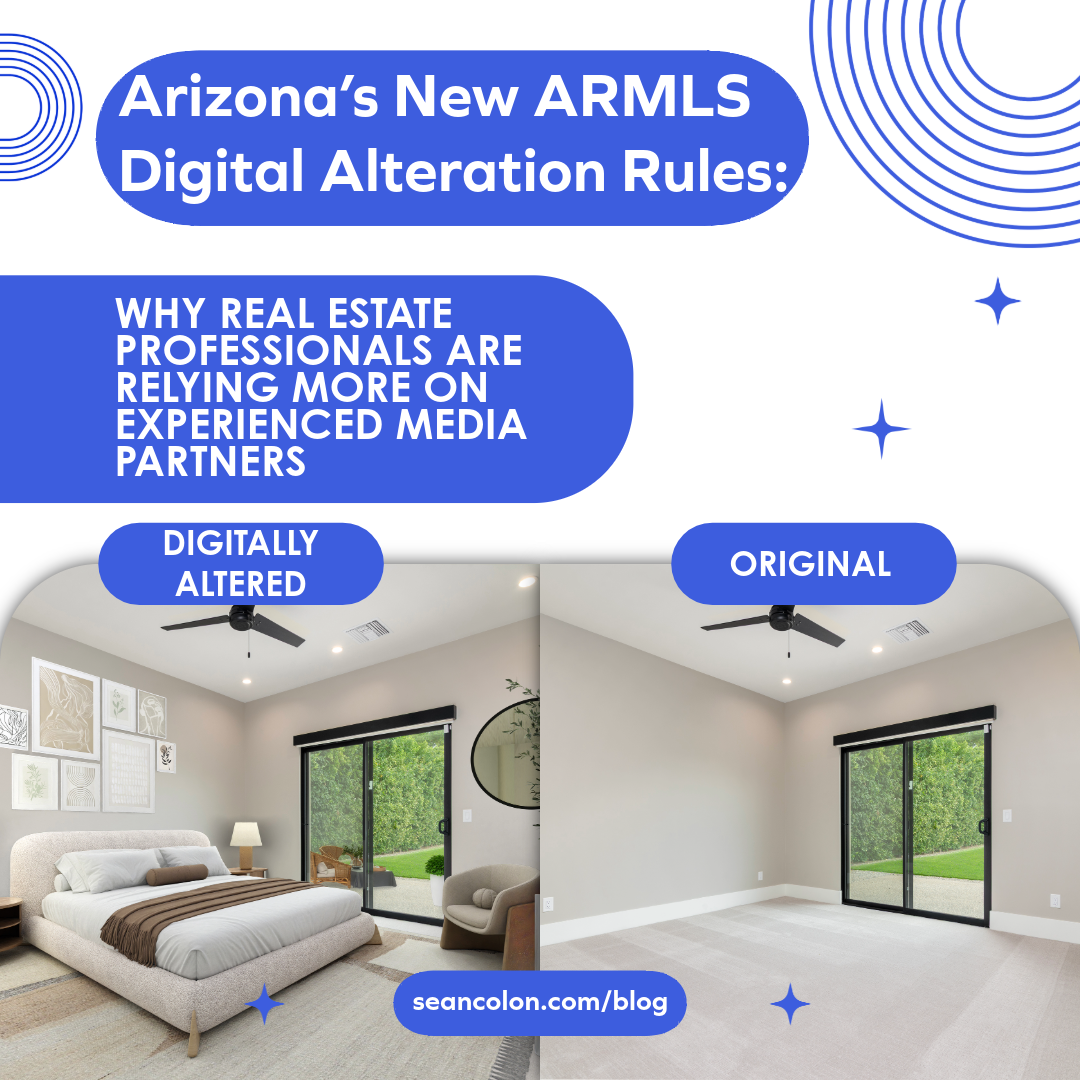
Yes. Under ARMLS’s newly released photo transparency policy, any listing photo that has been digitally altered in a way that adds, removes, or modifies furniture, décor, landscaping, structures, or other permanent or non-permanent features must now include a “Digitally Altered” disclosure watermark within Flexmls. ARMLS also requires the original, unaltered image to be uploaded directly before or after the edited version.
For many Arizona real estate agents and brokers, the announcement immediately raised practical questions surrounding virtual staging, AI-assisted editing, twilight enhancements, object removal, and what actually qualifies as acceptable image processing versus material alteration.
This is becoming one of the more important friction points in real estate marketing because listing presentation still plays a major role in buyer perception, online engagement, and seller expectations. At the same time, agents are being asked to navigate evolving compliance standards tied to photography, AI technology, and digital media transparency.
Experienced real estate photographers who understand both presentation strategy and ARMLS compliance requirements are becoming increasingly valuable partners in that process. Many professional editing techniques remain fully compliant under the new policy, including brightness correction, color balancing, contrast adjustments, sharpening, and other standard photographic refinements commonly used to accurately represent Arizona properties under challenging lighting conditions.
As AI-powered editing tools continue expanding across the industry, many agents are looking for clear guidance on where presentation enhancement ends and disclosure requirements begin.
Quick Reference for Arizona Agents and Brokers
Under the new ARMLS policy, listing subscribers must:
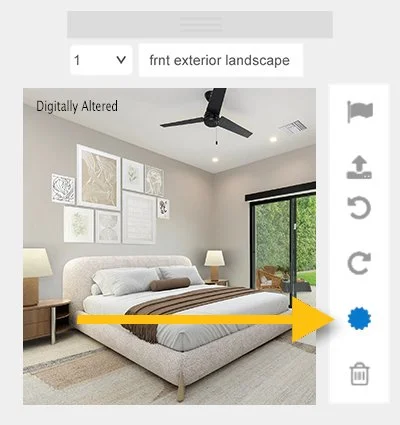
Add the new Flexmls “Digitally Altered” watermark disclosure to altered media
Upload the original, unaltered image directly before or after the altered image
According to ARMLS, “Digitally Altered” includes media where furniture, décor, structures, landscaping, or views have been added, removed, or modified.
Examples include:
Modifying landscaping or exterior structures
Removing permanent or temporary obstructions from views
ARMLS clarified that standard image corrections such as:
Brightness adjustments
Contrast balancing
Color correction
Cropping
Sharpening
are not considered digitally altered under the current policy.
For many professionals, this distinction is important because modern real estate photography workflows routinely include advanced editing techniques while still maintaining accurate visual representation of the property.
The Real Friction Point: Agents Need Strong Presentation Without Crossing Compliance Boundaries
Arizona agents are under increasing pressure to market listings professionally while also protecting client trust and remaining fully compliant with MLS standards.
That balancing act has become more complex as AI-powered editing tools rapidly expand across the real estate industry.
Today’s editing software can perform tasks ranging from sky replacements and object cleanup to virtual furniture placement, lighting reconstruction, lawn enhancement, and view modification within seconds.
While these tools can improve visual presentation significantly, they also introduce uncertainty around disclosure obligations and buyer perception.
For many agents and brokers, the concern is not necessarily whether enhanced imagery should be used.
The concern is whether the media accurately represents the property and complies with evolving MLS expectations.
Why Presentation Still Plays a Major Role in Buyer Behavior
Even as compliance standards tighten, presentation quality continues to influence buyer engagement heavily.
Buyers scrolling through listings online often make immediate assumptions based on visual presentation alone. Photography affects:
Perceived property condition
Spaciousness
Maintenance quality
Architectural appeal
Lighting and atmosphere
Lifestyle potential
Overall professionalism of the listing
This is particularly relevant in Arizona markets where visual lifestyle elements often influence buyer interest significantly.
Properties in Scottsdale, Paradise Valley, Arcadia, Cave Creek, Chandler, and North Phoenix frequently rely on presentation of:
Outdoor living spaces
Resort-style pools
Desert landscaping
Mountain views
Luxury finishes
Indoor-outdoor flow
Professional photography helps communicate these features clearly and accurately when executed thoughtfully and ethically.
Understanding the Difference Between Enhancement and Misrepresentation
One of the more important conversations emerging from the ARMLS policy update involves the distinction between standard professional editing and misleading alteration.
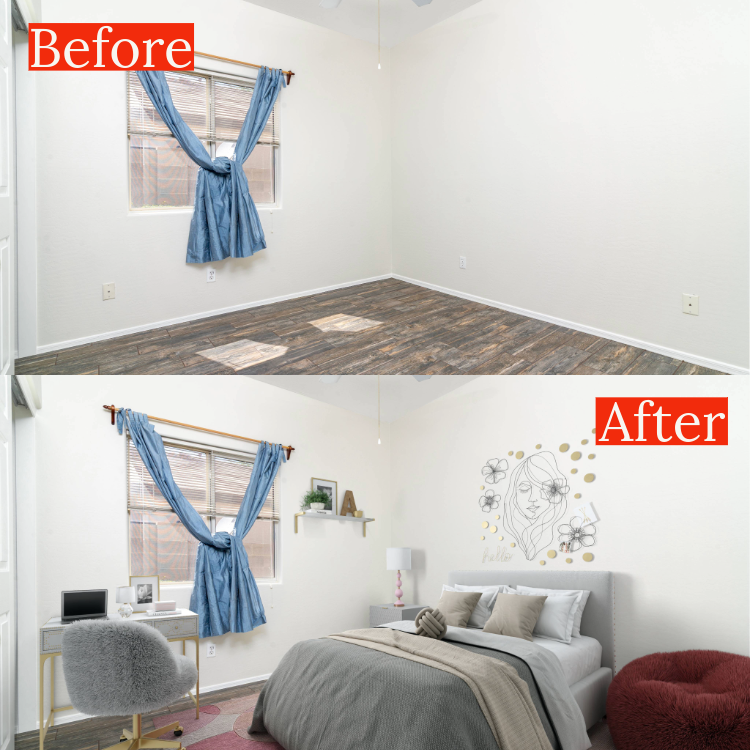
Most professional real estate photography already includes technical processing designed to accurately reflect how the property appears in person.
This often includes:
Exposure balancing
Window compositing
Perspective correction
Color accuracy adjustments
Sky exposure recovery
Lighting consistency
Detail enhancement
These techniques help compensate for the limitations of camera sensors and challenging lighting environments, particularly under Arizona’s intense sunlight conditions.
ARMLS specifically clarified that these routine corrections are acceptable and do not require digital alteration disclosure.
The disclosure requirement applies when media materially changes the property’s appearance through addition, removal, or modification of features.
That distinction is where experienced real estate photographers provide significant value to agents navigating evolving standards.
AI Tools Are Expanding Faster Than Industry Policies
Many real estate photographers now use AI-assisted tools as part of standard editing workflows.
These technologies can improve efficiency, consistency, and turnaround speed while maintaining realistic presentation standards.
However, AI-generated enhancements can vary significantly in how they are applied.
Some workflows focus on accurate correction and refinement. Others create visual representations that move beyond the boundaries of factual property presentation.
This is one reason many real estate professionals are becoming more selective about the media partners they trust.
An experienced photographer who understands both technical editing practices and MLS compliance expectations helps reduce uncertainty surrounding what should be disclosed, how altered media should be delivered, and how listings should be presented responsibly.
Arizona’s Rules Are Clearer Than Many Emerging Policies
Arizona’s new ARMLS guidelines are relatively straightforward compared to some emerging disclosure conversations appearing in other states.
California, for example, has begun addressing digitally altered real estate media through broader language that many industry professionals still interpret differently depending on the situation.
Arizona’s current framework offers brief but more concrete guidance around what qualifies as materially altered imagery and what remains acceptable professional correction.
That clarity benefits agents, brokers, photographers, and buyers alike.
At the same time, technology continues evolving rapidly, which means professionals across the industry are likely to continue adapting their workflows as standards develop further.
Virtual Staging, Twilight Photography, and Aerial Media Still Serve Important Roles
The ARMLS policy does not eliminate the value of enhanced real estate media.
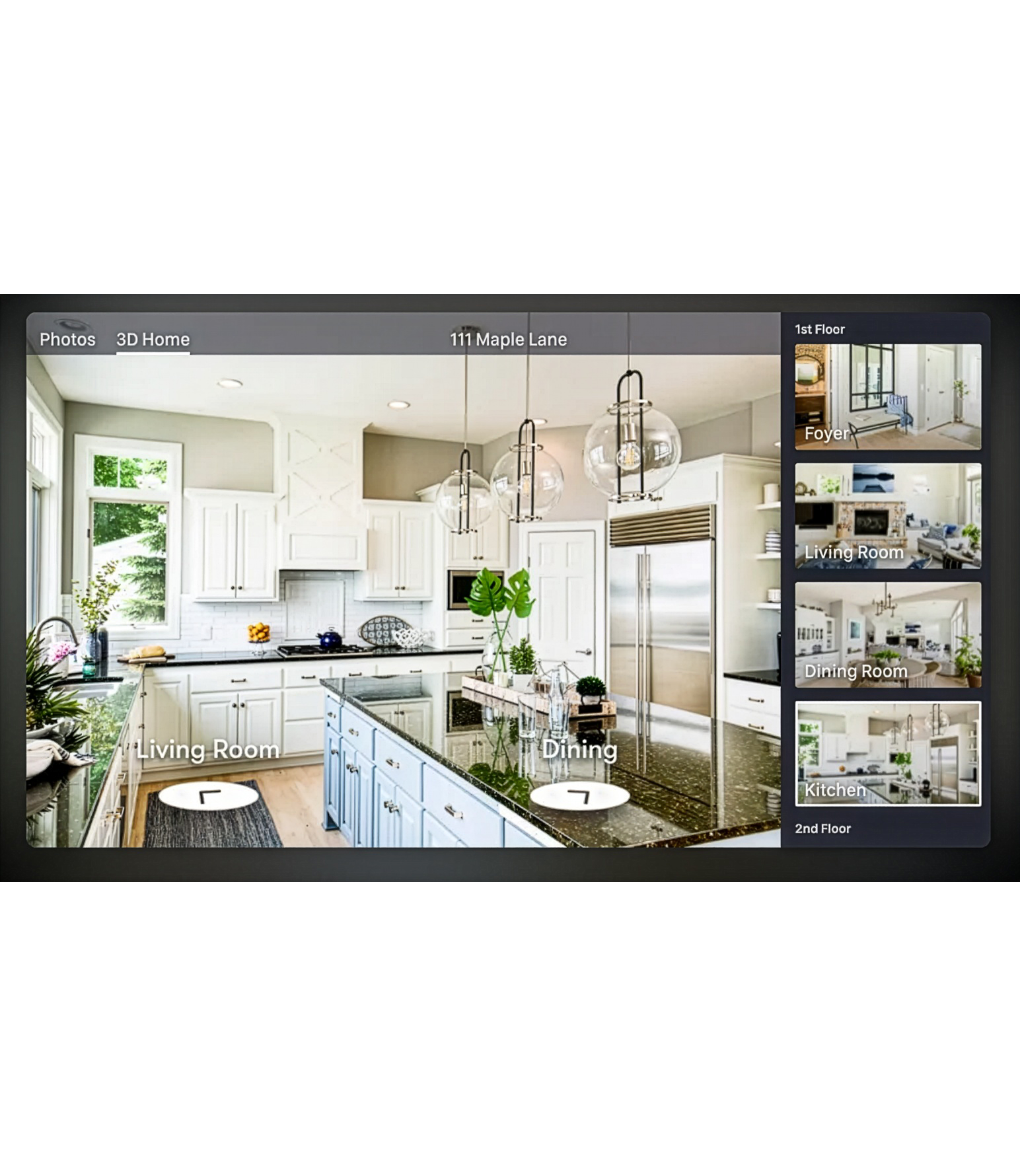
Virtual staging, twilight imagery,aerial photography, and 3D tours remain highly effective presentation tools when used transparently and professionally.
These media formats often help buyers better understand:
Layout potential
Property scale
Outdoor features
Neighborhood context
Architectural character
Lifestyle use of the home
For vacant properties, virtual staging can improve spatial understanding significantly.
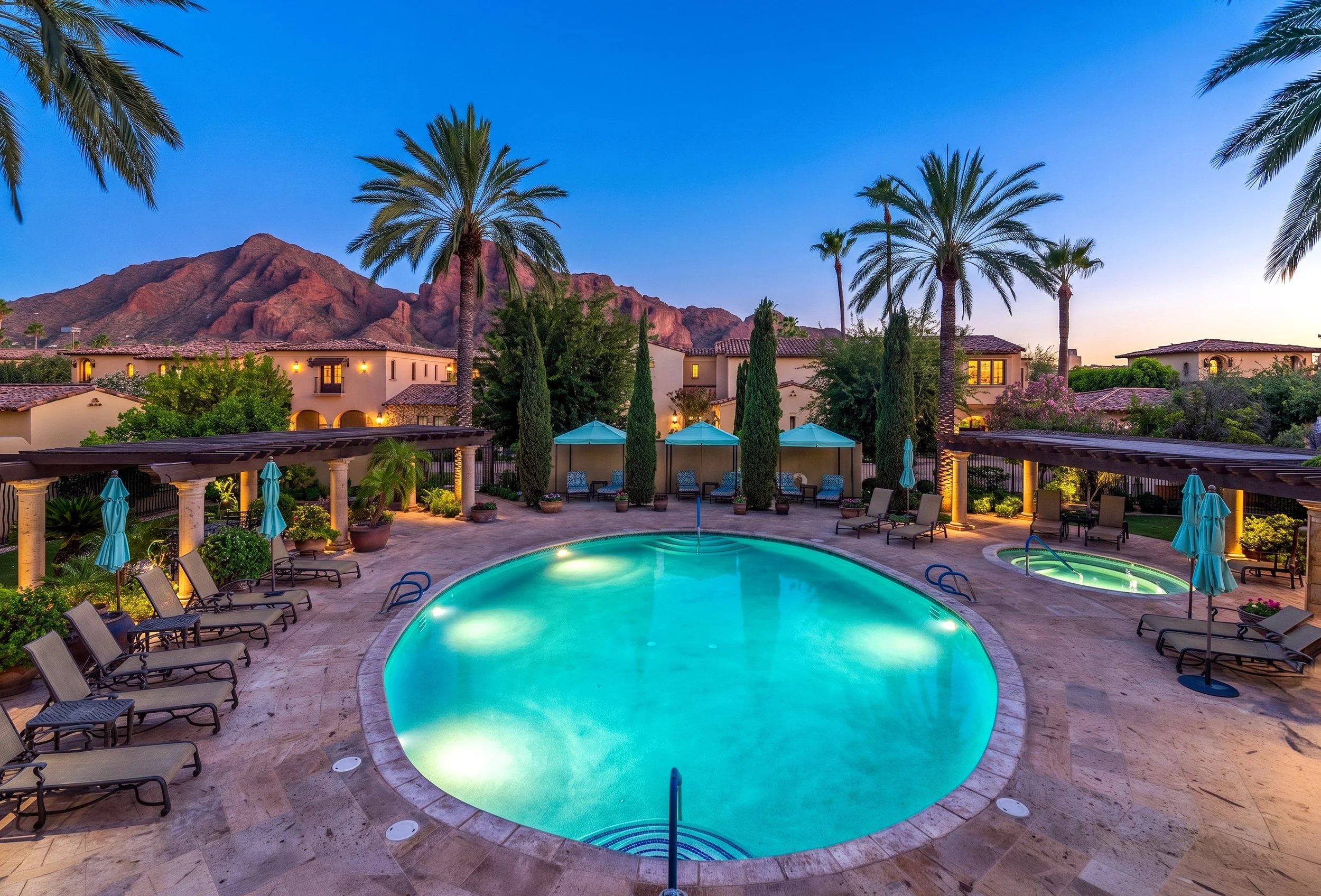
Twilight photography continues to showcase Arizona outdoor environments beautifully, especially for luxury homes featuring pools, patios, fire elements, and evening entertaining spaces.
Aerial imagery remains valuable for golf properties, acreage homes, mountain-view lots, and properties where location context influences buyer interest.
The key is ensuring these tools support accurate representation while remaining compliant with disclosure requirements. For a deep dive on what Phoenix buyers notice when scrolling through listings, check out this earlier blog here!
Why Experienced Media Partners Matter More as Rules Evolve
For many Arizona agents and brokers, the larger takeaway from the ARMLS update is operational rather than technical.
As marketing standards and disclosure requirements continue changing, professionals increasingly benefit from working with photographers who understand:
MLS compliance expectations
Ethical editing standards
Proper disclosure workflows
AI-assisted editing limitations
Accurate property representation
Buyer perception and trust
Professional presentation still matters enormously in real estate marketing.
At the same time, transparency and credibility are becoming equally important components of listing strategy.
Experienced photographers help agents maintain both.
For Arizona real estate professionals evaluating their current media processes, this update serves as a useful reminder that photography is no longer only about visual quality. It is also about accuracy, consistency, compliance, and protecting long-term professional trust.
Thoughtful visual presentation remains one of the strongest tools available in modern listing marketing when paired with ethical standards and a clear understanding of evolving MLS expectations.
Join the Conversation
How is your team currently approaching AI-assisted editing and disclosure conversations within listing marketing workflows? How might these new rules affect buyers’ perception in their home search journey?
About the Author
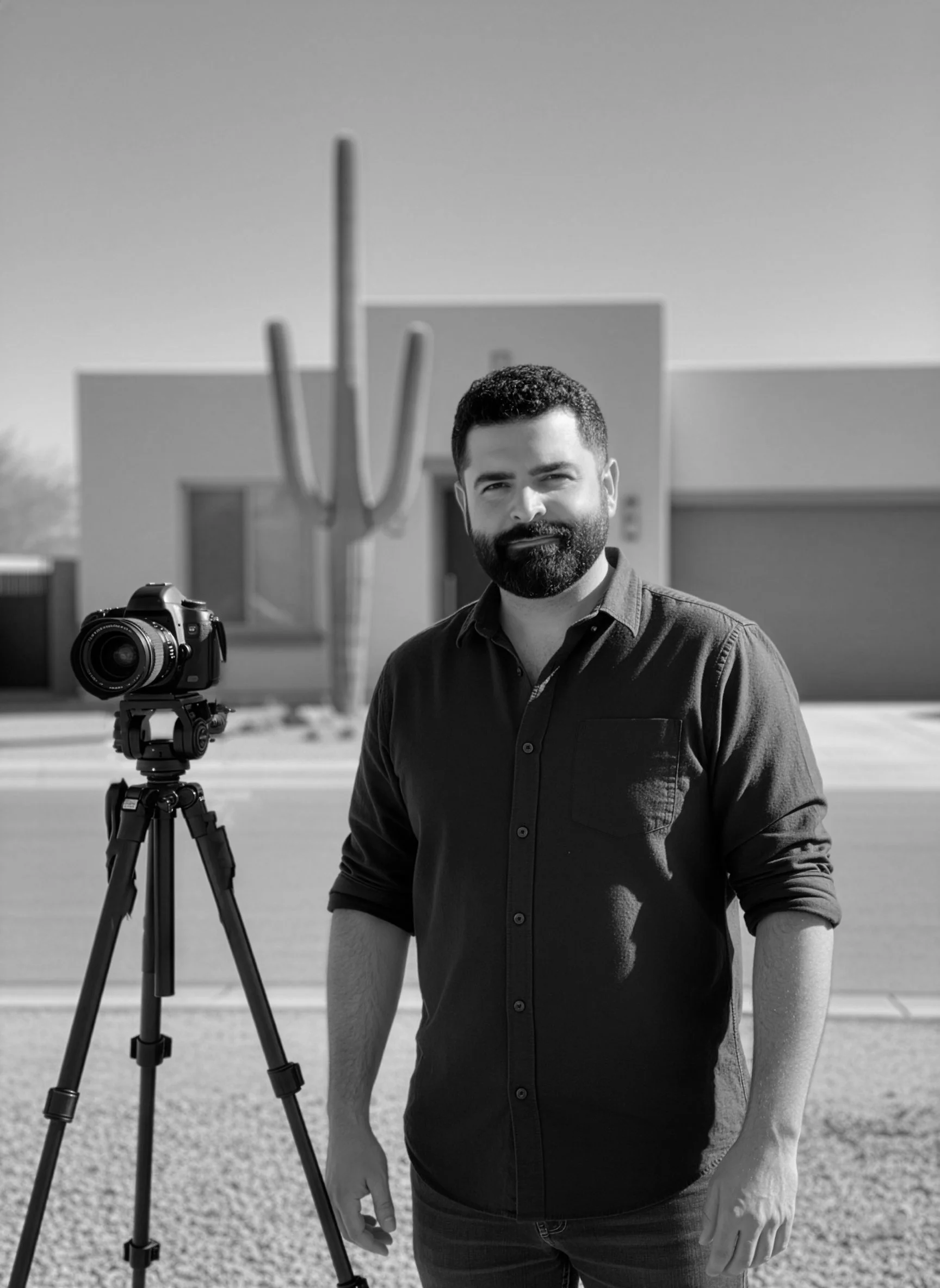
Sean Colón is an Arizona-based architectural and real estate photographer with over 14 years of professional experience. He works with short-term rental owners, real estate agents, builders, and designers across the East Valley, focusing on accurate, well-composed imagery that supports how properties are marketed and understood.
His work emphasizes consistency, color accuracy, and visual clarity across residential, architectural, and commercial projects.


Comments
Post a Comment
Join the conversation and share your thoughts!